How AI Image-to-Video Generation Works
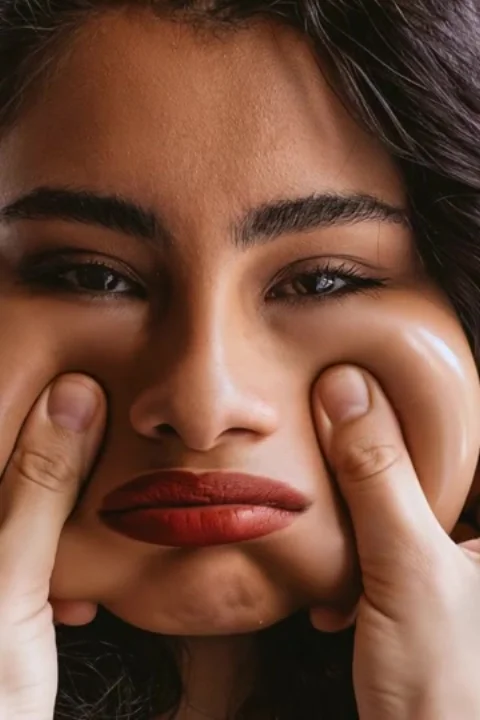
Image-to-video AI models take a single photo as a fixed starting frame, then generate a sequence of following frames guided by a detailed text prompt describing what should happen next — producing a short, coherent video rather than a single edited image.
The photo anchors the video
Unlike text-to-video, which invents a scene from scratch, image-to-video generation locks the first frame to the actual uploaded photo — which is how a specific real person's face, pose, and background carry through into the resulting motion.
The prompt controls the motion
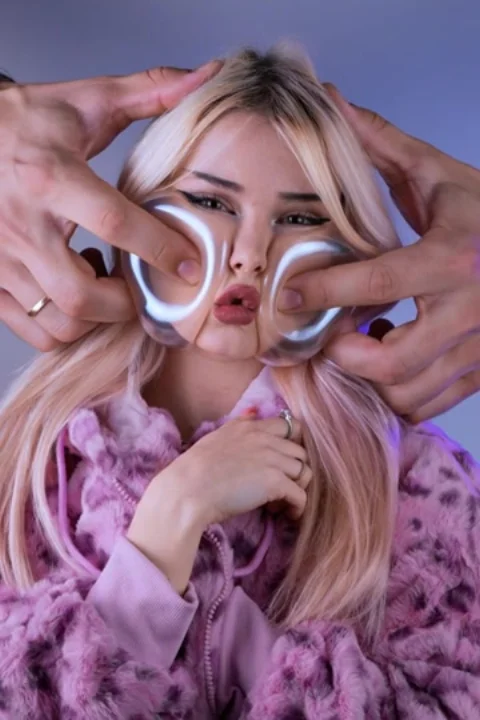
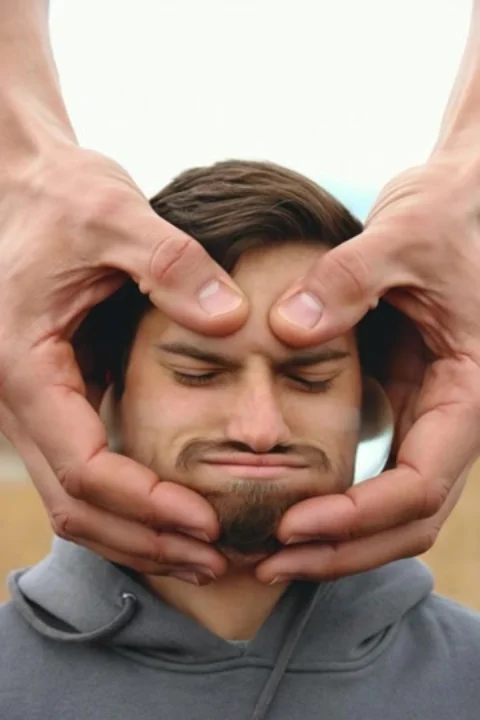
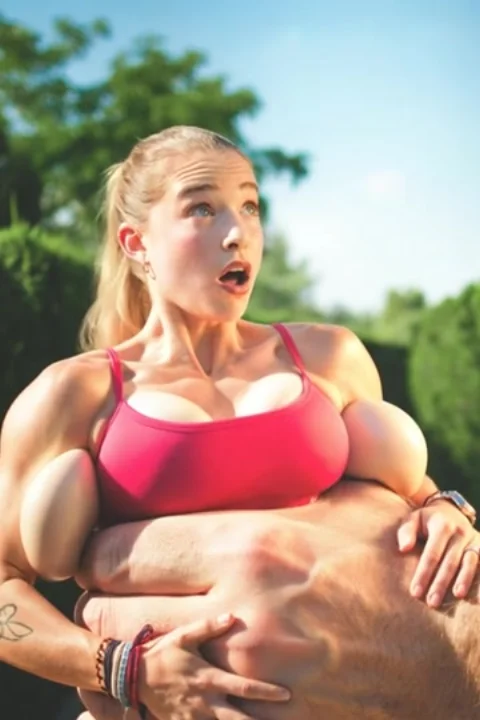
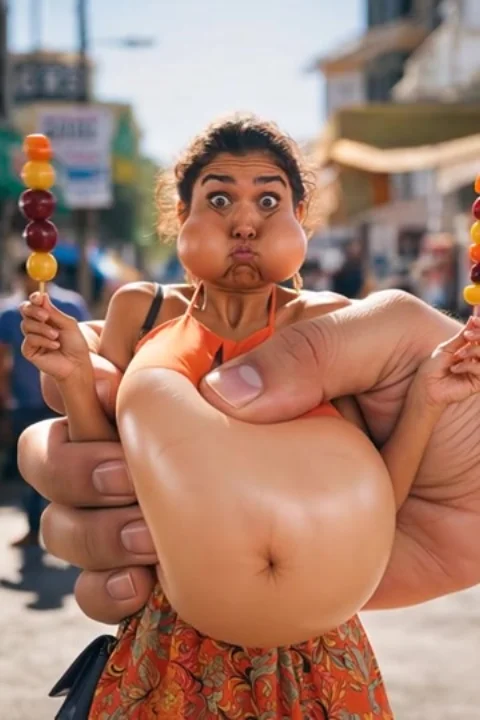
A detailed prompt describes exactly what should happen frame to frame — in this case, a giant hand entering the frame and applying a specific kind of pressure, with instructions to keep the subject's identity, clothing, and background unchanged throughout.
Why results stay consistent
Because the underlying prompt for each style is fixed, the model produces a recognizably similar motion and effect every time that style is used, even though the specific uploaded photo — and therefore the output — is different each time.
How long does a typical AI-generated clip last?
Most consumer AI video tools currently generate clips in the 4-8 second range, which is enough for a single complete motion — like a squeeze-and-release — without needing a longer render.