AI Video Generation vs. Deepfakes: What's the Difference?
Both terms involve AI and a person's likeness, but they describe genuinely different techniques with different goals — conflating them misses an important distinction.
Deepfakes: replacing identity
A deepfake typically swaps one person's face or voice onto another person's body or footage, aiming to make it look like someone did or said something they didn't — the core goal is impersonation.
Effect generation: transforming, not replacing
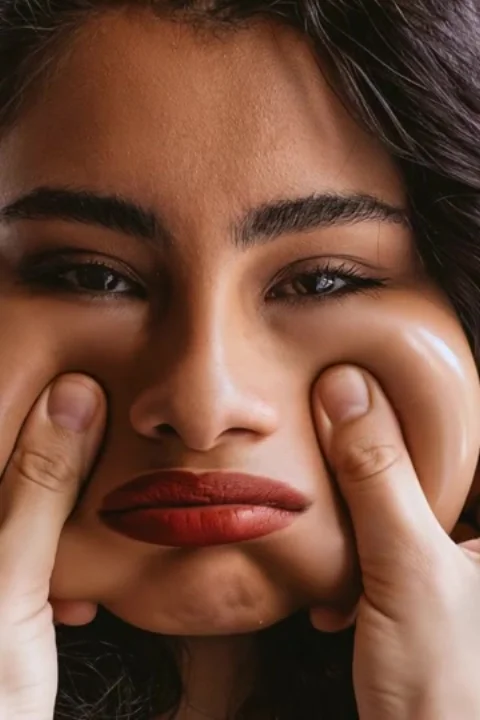
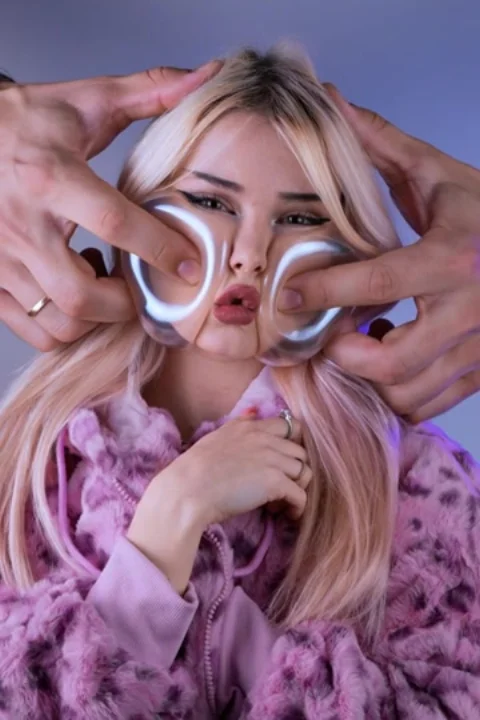
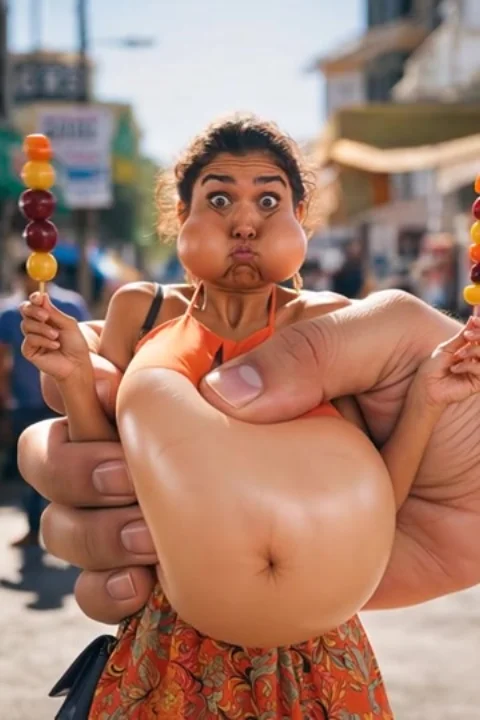
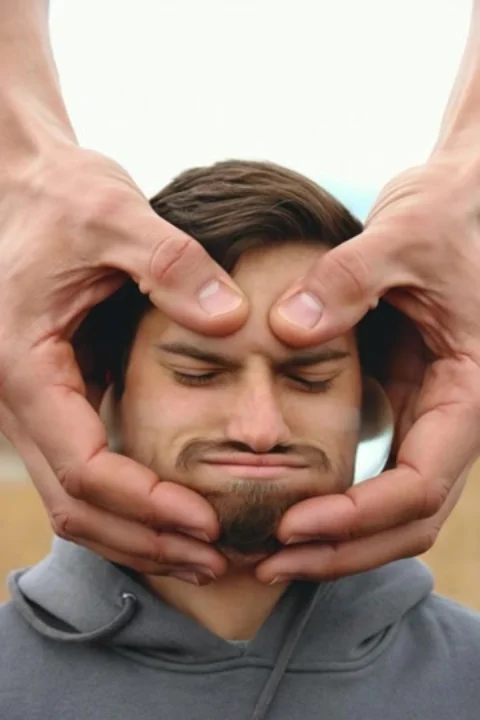
A style like a squishy-video effect starts from a real photo of a real person and adds a fantastical, obviously-not-real physical effect (giant hands, jelly texture) around them — the identity isn't replaced or misrepresented, it's kept intact on purpose.
Why the distinction matters
The concern with deepfakes is deception — making fabricated events look real. A squishy-style video makes no claim to be real footage of an actual event; the giant-hand premise is obviously stylized and not meant to deceive anyone.
Could the same underlying AI technology be misused for deepfakes?
The broader category of AI video generation technology is genuinely dual-use, which is why responsible apps in this space build in identity-preservation and content-safety guardrails rather than allowing arbitrary face-replacement generation.