Why Do We Find Jiggling and Bouncing Motion Funny?

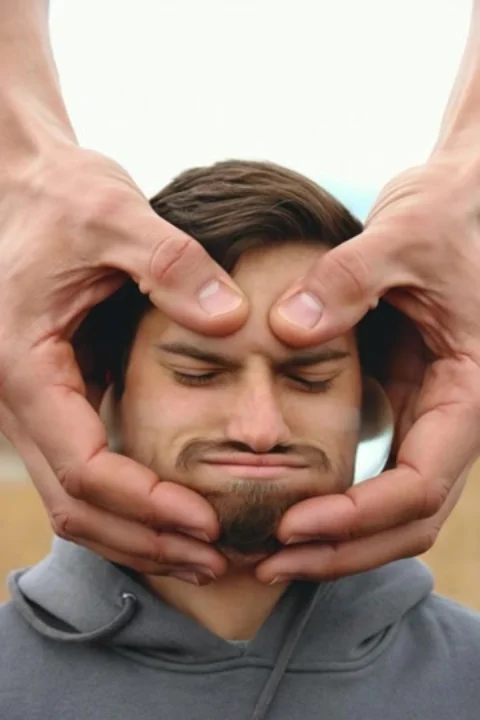
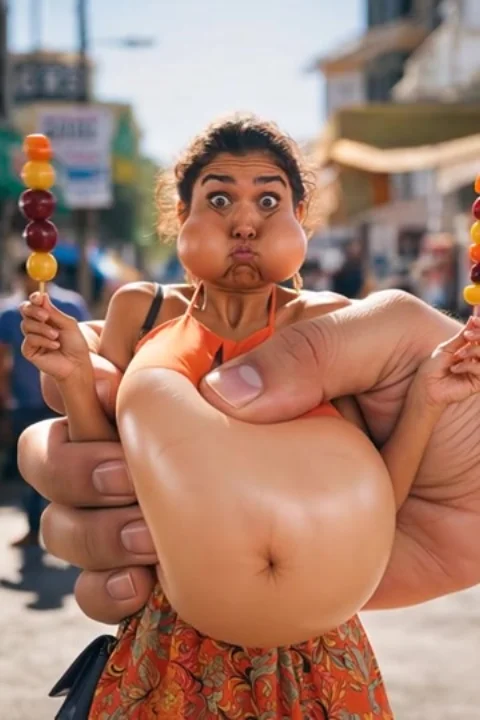
Exaggerated jiggling or bouncing motion taps into a very old comedic principle: something behaving in a way that violates our expectations of how a rigid object (or body) should move, without any real consequence attached.
Violated expectations, safely
We instinctively expect a body to hold a fairly fixed shape. Watching it stretch, jiggle, and bounce back like elastic breaks that expectation in an obviously harmless, exaggerated way — which is a classic setup for physical comedy.
The 'safe' part matters
The humor depends on it clearly not being real or harmful — a genuinely painful-looking deformation reads as unsettling rather than funny, which is why these effects lean into a bouncy, elastic, clearly-not-real quality rather than realistic injury.
A long comedic tradition
Cartoons have used exaggerated squash-and-stretch animation for this exact comedic effect for nearly a century — AI-generated squishy video effects are a very direct continuation of that same principle, just applied to real photos.
Is squash-and-stretch a real animation term?
Yes — it's one of the foundational principles of traditional animation, originally used to make objects and characters feel more alive and dynamic through exaggerated compression and stretching.