A Short History of Squishy Toys

Squishy toys — slow-rising foam shapes that compress under pressure and slowly spring back — trace back to stress-relief products from the 1980s and 90s, long before they became a dedicated collectible category.
From stress relief to collectibles
Early foam stress balls were sold mainly as office desk novelties. Slow-rebound polyurethane foam, developed for cushioning and mattress use, was repurposed into toy shapes — food items, animals, characters — that became collectible rather than purely functional.
The sensory appeal
The specific slow-rebound texture triggers a satisfying tactile response that's genuinely soothing for a lot of people, which is part of why squishy toys became popular well beyond their original stress-relief marketing.
From physical toy to digital effect
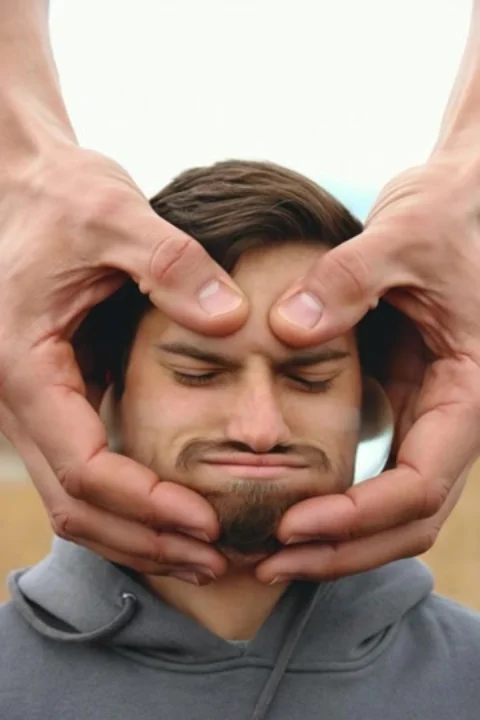
The AI squishy video trend borrows that same slow-squeeze-and-rebound satisfaction and applies it to a photo of a real person instead of a foam object — same appeal, new medium.
Are squishy toys the same as stress balls?
Related but distinct — stress balls are usually a simple sphere for squeezing, while squishy toys are typically shaped, slow-rebound foam collectibles meant as much for display as for squeezing.